

Strength and Conditioning MSc
2026-27 Year of entry
This degree is the ideal sports and exercise science route for students who aspire to work with elite athletes.
/197x0:1703x1102/prod01/channel_3/media/middlesex-university/courses-images/pg---course-masthead-images/StrengthConditioning_herobanner.jpg)
Why study MSc Strength and Conditioning at Middlesex University?
This master's degree provides you with the necessary skills to deliver high performance support, to both the athletic and non-athletic populations. During this course you will learn the underpinning scientific theories that will allow you to best monitor, programme and coach at the highest level. The course is delivered by our esteemed academics who have a wealth of experience in the applied sector, ensuring you get the most out of this degree.
- Official recognition: This programme has been approved by the National Strength and Conditioning Association (NSCA) through the Education Recognition Program (ERP). The ERP recognises and distinguishes academic institutions that offer a master’s degree with standardised, approved strength and conditioning curricula.
- Real-world experience: You will develop your skills using industry relevant technology and have an opportunity to gain experience as a strength and conditioning coach and scientist through our work-placement module.
- State-of-the-art facilities: During your time with us at the London Sport Institute, you will have access to all the facilities at Stone X, situated in Saracens Rugby stadium.
- High-quality teaching: Be taught by world leading academics who also consult within high performance sport.
- Professional links: Based in London, we are surrounded by the greatest density of sports clubs and organisations in the UK.
Student stories and experiences
/10x0:1122x760/prod01/channel_3/media/middlesex-university/news-section-images/2025/Nick-Bender-Walk-and-Talk-CIC.jpg)
Modules
The MSc Strength and Conditioning degree is designed to provide you with a comprehensive understanding of fundamental scientific principles aimed at optimising human performance. Throughout the programme, you will gain hands-on experience and develop theoretical knowledge that underpins the field of strength and conditioning. The curriculum is designed to cover a wide range of key topics, including: exercise physiology, biomechanics, and coaching techniques and principles, ensuring you graduate a well-rounded practitioner with diverse opportunity in the job market. We achieve this through the delivery of two core strength and conditioning modules, which are further complemented by a research methods module and a dissertation module. This ensures your coaching practice is well rationalised using the latest research and scientific principles, which can then be applied in the work placement module.
The aim of this module is to facilitate students' understanding of the physiological mechanisms and biomechanical principles that govern strength and conditioning training. This will be achieved by developing their ability to critically analyse current practices. Students will also learn to justify their strength and conditioning training programmes while staying up to date with scientific advancements and research. Additionally, the module aims to enhance students' data analysis skills, enabling them to analyse, interpret, and present performance testing information that underpins the interventions being applied.
The aim of the module is to support students to be able to critically assess athlete movement competency, both objectively and subjectively, and use these skills to develop strength and conditioning programming for athlete performance. In addition, this module aims to provide students with the ability to critically demonstrate their knowledge and skills relating to the coach-ability of a range of weightlifting, agility, speed and plyometric exercises.
This module aims to equip students with the relevant knowledge and skills to undertake appropriate individual and group-based research (where applicable) in their subject areas. Students will learn searching strategies to identify relevant literature, how to critically appraise literature and relevant research methods topics such as research design, selecting and using suitable quantitative or qualitative approaches appropriate to the subject area.
This module aims to provide students with the opportunity to develop their skills as a practitioner, specific to their discipline of study, helping to prepare them for the working environment. It aims to provide students with the opportunity to showcase a journey of practitioner development, through critical reflection, whilst concurrently enabling a broader set of skills to be progressed, such as: communication, problem-solving, time management, and collaboration.
The aim of this module is to guide students through an independent project where they are tasked with selecting and formulating a specific question or challenge that contributes to the generation of original knowledge to their field of study. Students will be required to design and develop a clear hypothesis, justifying their approach through ethical and rigorous methods to collect, analyse, and evaluate relevant data or information. The module also aims to encourage students to critically judge and appraise existing knowledge, identify gaps, and compare and contrast different perspectives to generate new insights.
Please download the course specification for Strength and Conditioning MSc course specification (PDF)
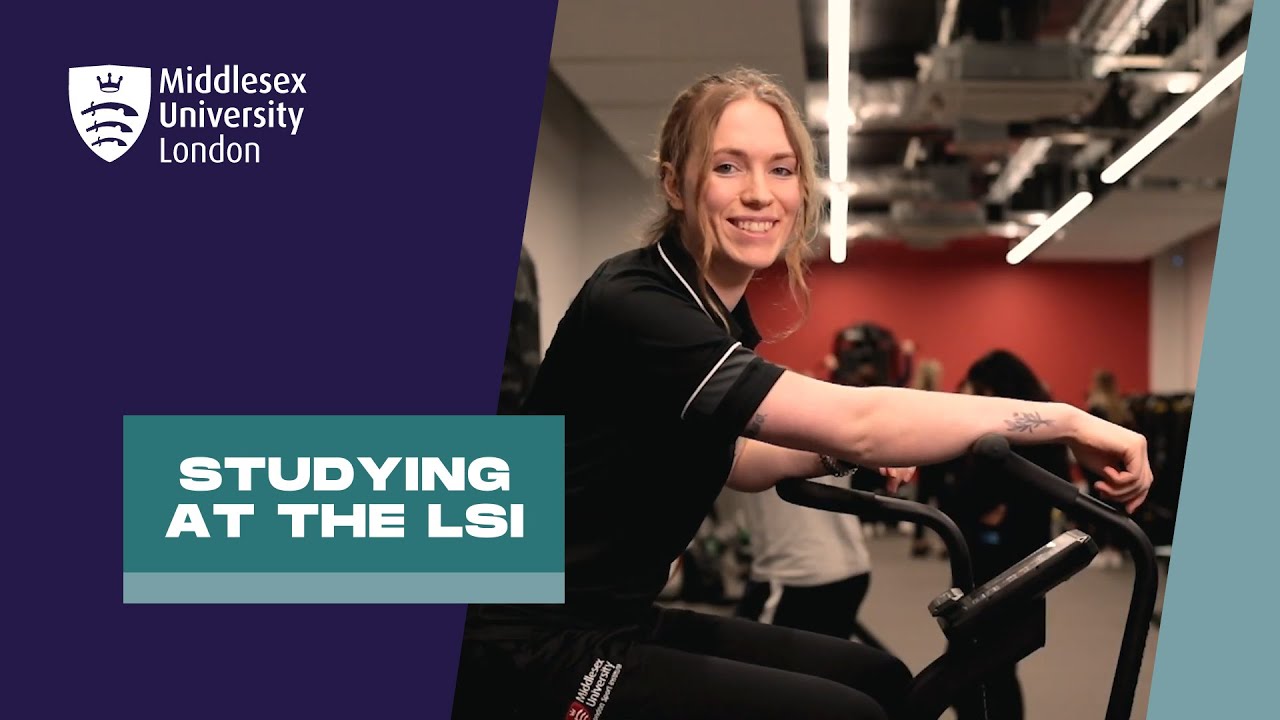
Teaching
You'll be taught by an experienced teaching team with a wide range of expertise and professional experience.
The MSc Strength and Conditioning is an Education Recognised Programme (ERP) by the National Strength and Conditioning Association (NSCA), the leading international accrediting body for the discipline of strength and conditioning. This highlights our commitment to employer engagement and that both the teaching and learning methods utilised are committed to high quality delivery and content, which will assist with employability upon graduation.
The on-campus programme adopts an on-campus teaching approach, supported with additional online materials.
Teaching
- All of the theory-based content is delivered through pre-recorded lectures to allow you more flexibility to study around your schedule
- This means all on campus days are focused on practical application and applying theoretical knowledge from the lectures
- Additional live, online tutorials will be delivered each week to help further facilitate your learning and preparation for assessments
- During the program you will have the privilege of having guest lectures delivered by leaders in their field that work at some of the world leading institutions and governing bodies that boast developing current premier league players and Olympic medallists.
Learning structure - typical hourly breakdown:
| Live in-person on campus learning | Contact hours per week, per level: | 3 hours |
| Live online learning | Average hours per week, per level: | 1.5 hours |
| Tutor set learning activities | Average hours per week, per level: | 1.5 hours |
Definitions of terms
Live in-person on campus learning – This will focus on active and experiential sessions that are both:
- Led by your tutors including seminars, lab sessions and demonstrations We'll schedule all of this for you
- Student-led by you and other students, like small group work and presentations.
Tutor set learning activities – This covers activities which will be set for you by your tutor, but which you will undertake in your own time. Examples of this include watching online materials, participating in an online discussion forum, completing a virtual laboratory or reading specific texts. You may be doing this by yourself of with your course mates depending on your course and assignments. Outside of these hours, you’ll also be expected to do further independent study where you’ll be expected to learn, prepare, revise and reflect in your own time.
Whether studying on Middlesex University London programmes either on-campus at the StoneX campus or in Distance education modes, you will have access to relevant programme-specific software relating to statistical analysis and office-suites.
Academic supervisors from the University are assigned to you to guide you through the shared modules for this programme.
Course content can also be accessed via the University MyMDX learning platform, where all learning materials are available. In addition, University wide services will be available on the same platform.
This programme has been approved by the National Strength and Conditioning Association (NSCA) through the Education Recognition Program (ERP). The ERP recognises and distinguishes academic institutions that offer a Master’s degree with standardized, approved strength and conditioning curricula that is designed to prepare students for the NSCA Certified Strength and Conditioning Specialist® (CSCS®) certifications. In addition to this, our program will also provide you with the necessary skills to become an Accredited Strength and Conditioning Coach (ASCC) with the UK Strength and Conditioning Association (UKSCA).

Your knowledge, understanding and skills is assessed via a range of assessment methods, such as: presentations, practical assessments, and coursework.
You'll evaluate your work, skills and knowledge and identify areas for improvement. Sometimes you'll work in groups and assess each other's progress. Each term, you'll get regular feedback on your learning.
Facilities
Our facilities at StoneX Stadium, in collaboration with Saracens, together with partnerships with clubs like Tottenham offer placement opportunities and unique access to academy and elite players, and coaches
/106x0:895x667/prod01/channel_3/media/middlesex-university/courses-images/pg-courses/West-Stand-Exterior-122.png)
/277x0:689x525/prod01/channel_3/media/middlesex-university/courses-images/pg-courses/Strength-training-room_web-(1).jpg)
/173x0:907x620/prod01/channel_3/media/middlesex-university/courses-images/pg-courses/Sports-Rehab-Allianz-Park.jpg)
/297x0:783x620/prod01/channel_3/media/middlesex-university/courses-images/pg-courses/Sport-Rehab-Biomechanics_RB_14-1.jpg)
/173x0:907x620/prod01/channel_3/media/middlesex-university/courses-images/pg-courses/Sport-rehab-Computer-lab-.jpg)
Careers
How can the MSc Strength and Conditioning support your career?
This Strength and Conditioning master’s degree opens doors to a number of exciting career paths, with excellent career progression opportunities. With the ever-increasing focus in the sporting world on achieving the best results possible, strength and conditioning coaches are in high demand.
We take great pride in our graduates having found success at professional and elite organisations such as:
- Formula 1
- UK Sport Institute (UKSI)
- Premiership Football (Arsenal, Chelsea, Tottenham Hotspur, to name a few
- Premiership Rugby (Saracens, Harlequins, Ealing to name a few)
- Professional Cricket (Middlesex CCC, Nottinghamshire CCC, to name a few)
- British Military (Army and Special Air Service)
We continue to sustain and develop our links with professional organisations to enhance the potential career opportunities for our graduates. Further to this, you'll also be capable of establishing your own consultancy business or progressing on to additional study in the form of a PhD.
Entry requirements
Qualifications
- Students will require an 2:2 honours degree or above in a sport or exercise related subject.
- Alternatively, prospective students who have completed a non-related degree but have extensive experience in the field will be considered.
Academic credit for previous study or experience
If you have relevant qualifications or work experience, academic credit may be awarded towards your Middlesex University programme of study.
We welcome students from the UK and all over the world. Join students from over 122 countries and discover why so many international students call our campus home:
- Quality teaching with top facilities plus flexible online learning
- Welcoming north London campus that's only 30 minutes from central London
- Work placements and networking with top London employers
- Award-winning career support to get you where you want to go after university.
Qualifications
We accept a wide range of international qualifications. Find out more about the accepted qualifications on your country's support page. If you are unsure of the suitability of your qualifications or would like help with your application, please contact your nearest international office.
English language
You will need to meet our English language requirements. And, don’t worry If you don't meet our minimum English language requirements, as we offer a Pre-sessional English course.
Visas
To study with us in the UK, you might need a Student visa. Please check to see if this applies to you.
Applications for postgraduate study should be made directly to the university.
Please visit our postgraduate application page for further information and to apply.
Interviews
Interviews are not required for this course.
Register your interest
Sign up now to receive more information about studying at Middlesex University London.
Chat with a real student about life at MDX
See all students you can chat toFees and funding
The fees below are for the 2026/27 academic year.
UK students1
Full-time students: £11,100
Part-time students: £74 per credit
Part-time students: £36 per dissertation credit
International students2
Full-time students: £17,700
Part-time students: £118 per credit
Part-time students: £59 per dissertation credit
/404x0:1495x739/prod01/channel_3/media/middlesex-university/courses-images/ug---course-masthead-images/2024X2f25/the-sports-institute/Football-Sciene-1898X739.jpg)
/40x0:4960x3333/prod01/channel_3/media/middlesex-university/courses-images/ug-courses/science-and-technology/sports/West-Stand-facilities.jpg)
/0x60:2200x1550/prod01/channel_3/media/middlesex-university/courses-images/ug-courses/science-and-technology/sports/Sports-and-Exercise-Science-course-banner.jpg)
/161x0:1738x1068/prod01/channel_3/media/middlesex-university/courses-images/ug---course-masthead-images/2024X2f25/the-sports-institute/Sport-and-Exercise-Science-Rehabilitation.jpg)
/137x0:1764x1102/prod01/channel_3/media/middlesex-university/courses-images/pg---course-masthead-images/StrengthConditioning_herobanner.jpg)
/138x0:1762x1100/prod01/channel_3/media/middlesex-university/courses-images/ug---course-masthead-images/2024X2f25/business-and-law/Template-course-Hero-Banner.jpg)
/273x0:1628x918/prod01/channel_3/media/middlesex-university/courses-images/pg---course-masthead-images/2024X2f25/sport-sciences/Sport-Performance-Analysis2.jpeg)