

/0x347:2200x1264/prod01/channel_3/media/middlesex-university/study-section-images/subjects/heathcare-sciences/Healthcare-science-hero-image.jpg)
Healthcare sciences courses
Our healthcare science degrees give you practical clinical training, NHS-linked placements and access to specialist labs and simulation suites. Explore undergraduate and postgraduate pathways that prepare you for impactful careers.
Why choose us?
Train with NHS partners, specialist clinical facilities and experienced academic staff who support your progression in healthcare science.
Our healthcare science courses blend theory and hands-on experience. As a branch of the natural sciences department, our courses are grouped to offer routes into clinical practice through audiology and cardiac physiology as well as more lab-based degrees in medical and pharmaceutical sciences.
person Strong partnerships
Strong NHS partnerships and placement opportunities that give you real clinical and laboratory experience, whether you’re beginning your journey or advancing your practice.
apartment Specialist facilities
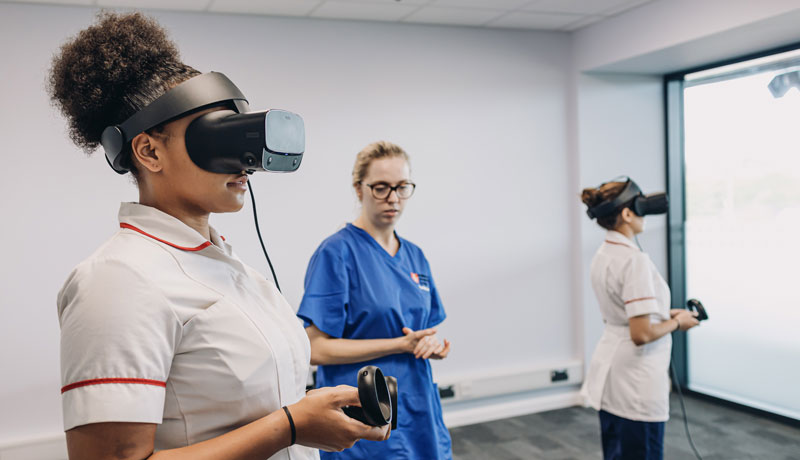
Specialist simulation suites and advanced laboratories at StoneX Stadium and Hendon campus, mirroring real diagnostic and hospital environments.
linked_services Careers framework
Modernising Scientific Careers framework, many of our courses are aligned with the framework helping you build high-demand technical and clinical skills.
arrow_forward Study routes
Study routes across audiology, cardiac physiology, medical science and pharmaceutical sciences, supporting both entry-level progression and postgraduate specialisation.
Courses in healthcare sciences
- Healthcare Science (Audiology) BSc
- Healthcare Science (Cardiac Physiology) BSc
- Medical Physiology BSc
- Medical Science BSc
- Pharmaceutical Sciences BSc
/0x170:2415x1440/prod01/channel_3/media/middlesex-university/courses-images/pg---course-masthead-images/msc-biomedical-science-banner.jpg)
Facilities
You’ll learn using the same tools and environments you’ll encounter in professional healthcare settings.
You’ll have access to:
- Specialist clinical simulation suites at the West Stand, StoneX stadium; replicating real hospital environments including cutting-edge audiology and cardiology labs for hands-on testing and patient assessment.
- Advanced biomedical and physiology laboratories equipped for molecular analysis and diagnostic training.
/0x227:2200x1384/prod01/channel_3/media/middlesex-university/clearing/homepage/West-Stand-2_Nov-edit.jpg)
Industry experience and partnerships
We have strong partnerships with NHS Trusts across London, providing placement opportunities in hospitals and laboratories.
You’ll also gain professional exposure by presenting research, attending innovation showcases and taking part in NHS-affiliated student conferences.
“Seeing how healthcare professionals helped my dad inspired me to study cardiac physiology. From my first open day, Middlesex felt welcoming and supportive, and the hands-on learning has really built my confidence. The lecturers give personalised guidance, the facilities help us feel prepared for placement, and my hospital placement has given me invaluable experience with patients. I’m hoping to progress into paediatric cardiac physiology so I can give back in a field I care about.”
Careers and employability
A healthcare science degree opens doors to clinical, diagnostic, laboratory and research careers across the NHS, biomedical research institutions and major pharmaceutical companies. Graduates progress into roles such as:
- Biomedical or Clinical Scientist
- Cardiac Physiologist
- Audiologist
- Research Scientist or Laboratory Technician
Our alumni work at organisations such as AstraZeneca, Boots, NHS Trusts and The Anthony Nolan Trust, with many progressing into postgraduate study or specialist clinical practice.
Entry requirements and how to apply
At Middlesex, we're proud of how we recognise the potential of future healthcare sciences students like you. We make fair and aspirational offers because we want you to aim high, and we’ll support you all the way.
General requirements for healthcare sciences courses
Undergraduate: 80-112 UCAS tariff points. Most courses require a BB-BBC including a C or above from a numerate subject or science.
Postgraduate: 2:2 or above in a science discipline, or relevant work experience in an appropriate field.
Please refer to each healthcare sciences course for specific entry requirements.
How to apply
Please refer to each healthcare sciences course for information on how to apply.

/0x6:1060x1595/prod01/channel_3/media/middlesex-university/study-section-images/subjects/heathcare-sciences/healthcare-student-experience.jpg)
Student experience and community
Your experience goes far beyond the classroom. You’ll be part of an active community where you can build connections, test ideas and make the most of university life.
You’ll engage from students and alumni who have taken placements, and graduate roles in the UK and around the world to inspire you as you plan your own path.
Take your next step
/14x0:1266x660/prod01/channel_3/media/middlesex-university/study-section-images/subjects/heathcare-sciences/healthcare-open-day.jpg)
Book an open day
Join us on campus or online to hear what it's like to be part of our community of staff and students here at Middlesex University London.
/14x0:1266x660/prod01/channel_3/media/middlesex-university/study-section-images/subjects/heathcare-sciences/healthcare-prospectus.jpg)
Request your prospectus
Take your first step to the future you want with our guide to Middlesex.
/0x225:2200x1385/prod01/channel_3/media/middlesex-university/clearing/students-on-campus.jpg)
Chat with students
Chat to our current course ambassadors and ask them any questions you have about studying at Middlesex.
/0x223:2210x1388/prod01/channel_3/media/middlesex-university/about-us-images/events/Reseach-conference-2025.jpg)
Get in touch
Have a question for us? Here you can find the relevant contact details for a member of our staff who can help you.