
Sport Performance Analysis and Coaching Science BSc (Hons)
2027-28 Year of entry
Subject to validation
Turn game-changing data into coaching decisions and performance insights that shape the future of sport.

Why study Sport Performance Analysis and Coaching Science at Middlesex?
Our Sport Performance Analysis and Coaching Science BSc at Middlesex combines sport performance analysis, coaching science, sport science, data analysis, video analysis and applied professional practice.
- Build employability through industry engagement, work-based practice and a compulsory Year 3 placement module requiring a minimum of 50 hours of relevant experience.
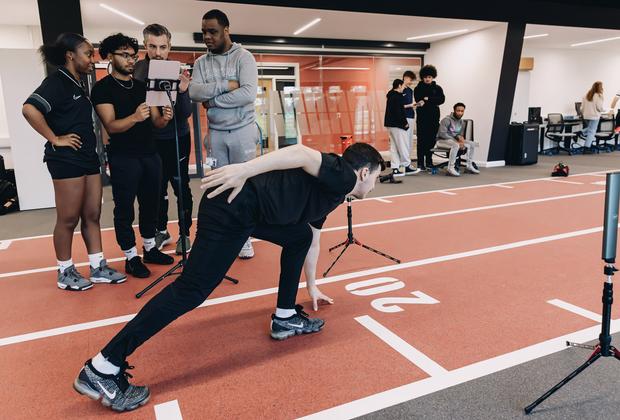
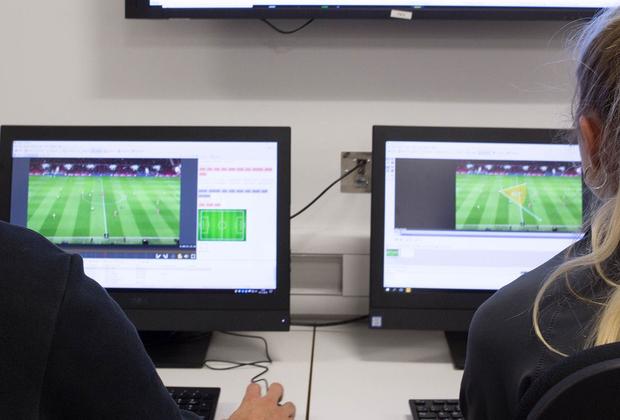
- Learn at StoneX Stadium, London, with access to specialist sport science environments, performance analysis software, hardware and industry-informed teaching.
- Develop practical skills in collecting, analysing, visualising and communicating performance information for coaches, athletes and sporting organisations.
- Complete authentic assessments that mirror professional tasks, including coaching practicals, video feedback, dashboards, presentations, portfolios and applied projects.
- Graduate prepared for careers in performance analysis, coaching, sport science, sport data analysis, teaching, physical activity development or postgraduate study.
This course is subject to validation
A course marked as ‘subject to validation’ is in the final stages of approval and may therefore be subject to change. This approval process ensures that courses meet the highest academic standards to deliver you the best possible education. Once a course is approved, the webpage will be updated, the subject to validation statement removed, and a full programme specification will be published. If once validated the course is significantly amended, we will contact you if you've already applied.
3 great reasons to pick this course
Student stories and experiences

Sports and exercise science facilities
Access our state-of-the-art sports facilities at the West Stand, Stone X Stadium
About your course
In Year 1, students build foundations in academic study, sport science, coaching and performance analysis. In Year 2, they develop applied skills in coaching practice, video feedback, data analysis, visualisation, sport analytics and research methods. In Year 3, students apply advanced performance analysis and coaching science through professional practice, work-based learning and an independent dissertation.
Develop the academic, digital and study skills needed for success at university. Students build confidence in academic writing, information searching, communication, reflection and independent learning, preparing them for evidence-informed work across sport and exercise science.
Explore the principles of athletic development, training and conditioning. Students learn how physical preparation, fitness testing and safe practical delivery support performance, while developing applied understanding of training responses and athlete needs.
Build core knowledge across sport and exercise science, including physiological, biomechanical and analytical principles. Students develop foundational practical and data-handling skills that support later study in performance analysis, coaching and sport science.
Introduce the relationship between performance analysis and coaching. Students explore core coaching principles, observation, feedback, basic analysis processes and the role of performance information in supporting athletes and coaches.
Examine how psychological principles and analytical approaches inform sport performance. Students interpret sport-related data and consider how psychological factors, context and evidence can support understanding of athletes, teams and performance environments.
Develop applied coaching and performance-analysis skills. Students plan coaching sessions, analyse coaching approaches, use video-based evidence for feedback and design performance-analysis processes to identify technical issues and propose interventions.
Develop the knowledge and skills required to plan, conduct and evaluate research in sport. Students explore research design, ethics, data collection, analysis and proposal development, preparing them for independent dissertation work.
Develop digital literacy and performance insight skills. Students organise and analyse sport datasets, create visualisations and dashboards, interpret performance data, construct evidence-based narratives and produce edited video outputs for coaching and analysis contexts.
Apply performance-analysis methods, technologies and software to investigate sport performance. Students design analysis solutions, generate actionable insights for stakeholders and critically reflect on contemporary professional practice and personal development priorities.
Develop professional experience, employability and reflective practice through work-based learning. Students apply programme skills in sport performance analysis, coaching science or related sport-sector settings and reflect on their professional development.
Critically examine coaching science, talent development, skill acquisition and performance optimisation. Students evaluate pedagogical and feedback approaches, design multidisciplinary coaching interventions and formulate evidence-based plans for professional development.
Undertake an independent research project on a relevant topic in sport performance analysis, coaching science, sport science or applied sport. Students design, conduct, analyse and communicate research with appropriate academic and ethical standards.
To find out more about this course please download the Sport Performance Analysis and Coaching Science BSc (Hons) course specification (PDF).
Innovative teaching and learning
Teaching combines key concept videos, seminars, laboratories, tutorials, problem-solving sessions, fieldwork and practical workshops.
Students learn through applied coaching tasks, performance-analysis activities, data work, dashboards, video feedback and independent study. The course is delivered at StoneX Stadium, London, with access to specialist sport science environments, performance analysis software and hardware, plus university learning, library, wellbeing, careers and disability support services.
A typical full-time semester involves two 30-credit modules delivered across 12 weeks.
Students can expect around 12 timetabled hours per week across the two modules, supported by approximately 38 hours of independent study.
Part-time students normally study fewer modules, with approximately 6 timetabled hours and 19 hours of independent study per week.
Each 30-credit module comprises 72 scheduled teaching hours and 228 independent-study hours.
Students have access to academic tutors, module leaders, programme support, library specialists, IT support, academic writing and maths support, progression advisers, disability and dyslexia services, wellbeing and counselling services, careers and employability support, and placements support through MDX Works.
Students also use the University portal, online learning materials and digital resources.
Assessment is varied and practice-focused. Students may complete coaching practicals, video presentations, dashboards, process logs, portfolios, research proposals, laboratory or data reports, practical vivas, dissertations and professional presentations.
Formative feedback is built into scheduled teaching through quizzes, practical exercises, peer and tutor feedback, discussion and rehearsal.
Students complete a compulsory Year 3 Work Based Practice and Employability module, including a minimum of 50 hours of performance-analysis-related, coaching science or related sport-sector work experience. Opportunities may be supported through University Sports and Recreation, competitive sports teams, industry contacts and MDX Works. Students may also choose an optional sandwich year leading to a Diploma in Employability Studies.
Sports and exercise science facilities
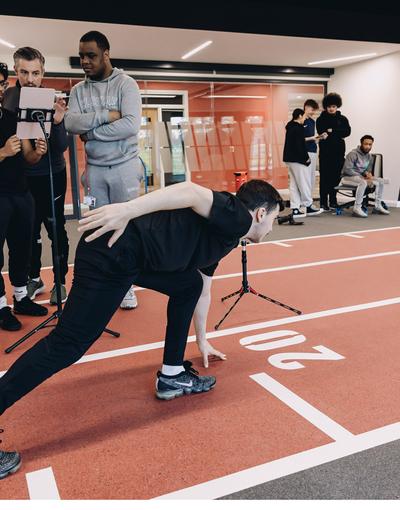
Access our state-of-the-art sports facilities at the West Stand, Stone X Stadium; benefit from our partnerships with Saracens Rugby Club, and access to placements at Tottenham Hotspur Foundation.




How can the BSc in Sport Performance Analysis and Coaching Science support your career?
Graduates will develop scientific, technical, analytical, communication and professional skills for sport and related sectors.
Potential pathways include sport performance analyst, sport data analyst, coach, sport scientist, performance support practitioner, physical activity development officer, teacher, lecturer or postgraduate study
The degree develops skills in data analysis, video analysis, visualisation, coaching, athlete development, feedback, research, professional reflection and applied problem-solving.
Entry requirements
At Middlesex, we're proud of how we recognise the potential of future students like you. We make fair and aspirational offers because we want you to aim high, and we’ll support you all the way.
Qualifications
- 96 UCAS tariff points
- including 5 GCSEs at Grade 4/C or above, including English Language/Literature and either Mathematics or Science.
- Degree classification/experience
- Typical Level 3 entry: three A Levels with at least one A Level in a science discipline or physical education; or relevant T Level, BTEC, Access to HE Diploma or HE Foundation Science/Sport programme.
- International requirements
- International applicants require an appropriate qualification and IELTS 6.0 overall, with a minimum of 5.5 in each component, or equivalent. Recognition of Prior Learning considered in line with Middlesex University regulations.
We’ll always be as flexible as possible and take into consideration any barriers you may have faced in your learning. And, if you don’t quite get the grades you hoped for, we’ll also look at more than your qualifications. Things like your work experience, other achievements and your personal statement.
Our general entry requirements page outlines how we make offers where we have given a range (e.g. CCC in A levels), and how you will be made an offer if you are studying a combination of qualifications (e.g. BTEC and A level). In both cases, we will base this on information you’ve provided on your application.
DBS Checks
DBS may be required where placement or work-based activity involves regulated activity, children or vulnerable groups.
Interviews
Mature students may be interviewed to discuss suitability for Level 4 study. No audition or portfolio is specified in the validation documents.
Mature students (over 21)
Mature applicants without formal qualifications may be considered where they can demonstrate relevant experience and ability.
We welcome students from the UK, EU and all over the world. Join students from over 122 countries and discover why so many international students call our campus home:
- Quality teaching with top facilities plus flexible online learning
- Welcoming north London campus that's only 30 minutes from central London
- Work placements and networking with top London employers
- Career support to get you where you want to go after university
- Global alumni network and connections
Qualifications
We accept a wide range of international qualifications such as A level and International Baccalaureate. You can find out more on your country's support page. If you need help with your application, please contact your nearest regional office.
English language
You'll need good English language skills to study with us. That's usually an IELTS 6.0 qualification (with a minimum of 5.5 in all sections). And, if you need help, we offer an intensive pre-sessional English course.
Visas
To study with us in the UK, you will need a student route visa.
Interviews
You won’t be required to attend an interview for this course.
Please apply via UCAS using the UCAS code C617.
Need help with your application? Check out our undergraduate application page.
Register your interest
Sign up to receive the latest information about studying at Middlesex University London.
Our communications are designed to support you in deciding your future and keep you up to date about student finance, employment opportunities and student activities available at Middlesex University.
Fees
The fees below are for the 2027/28 academic year:
UK students1
Full-time: £10,050*
Part-time: £83 per taught credit
International students2
Full-time students: £18,300
Part-time students: £152 per taught credit
UK Government information on tuition fees for UK undergraduate students in the 2027/2028 academic year
If your course starts on or after 1 January 2027 and you're eligible, you may need to apply for funding through the Lifelong Learning Entitlement (LLE). This funding may also be available for eligible modules.
The changes below will apply from 1 August 2027. The government intends to lay regulations implementing these changes in early 2026 and will be subject to Parliamentary procedure. Further information can be found at GOV.UK's tuition fee changes webpage.
For the 2027/28 academic year, it is anticipated that the maximum annual tuition fee applicable to UK undergraduate students for approved providers will increase to:
- £10,050 for standard full-time courses
- £12,060 for full-time accelerated courses
- £7,530 for part-time courses.
This means that if you start your studies in September 2026 on a standard full-time course, you will pay an annual tuition fee of £9,790 for your first year. This will rise to £10,050 for your second year of study starting in September 2027.
Subsequent tuition fee rises for UK undergraduate students
Depending on the duration of your study, your tuition fees for subsequent academic years beyond the 2027/28 academic year may be subject to further inflationary increases by the UK government. This means that the fee set out above is likely to be increased again for the 2028/29 academic year.
Any annual increase in tuition fees as provided for above will be notified to students directly in writing at the earliest opportunity in advance of the academic year to which the rise may apply.