

From classroom to screen: how Middlesex Animation students gain industry experience
12 November 2026
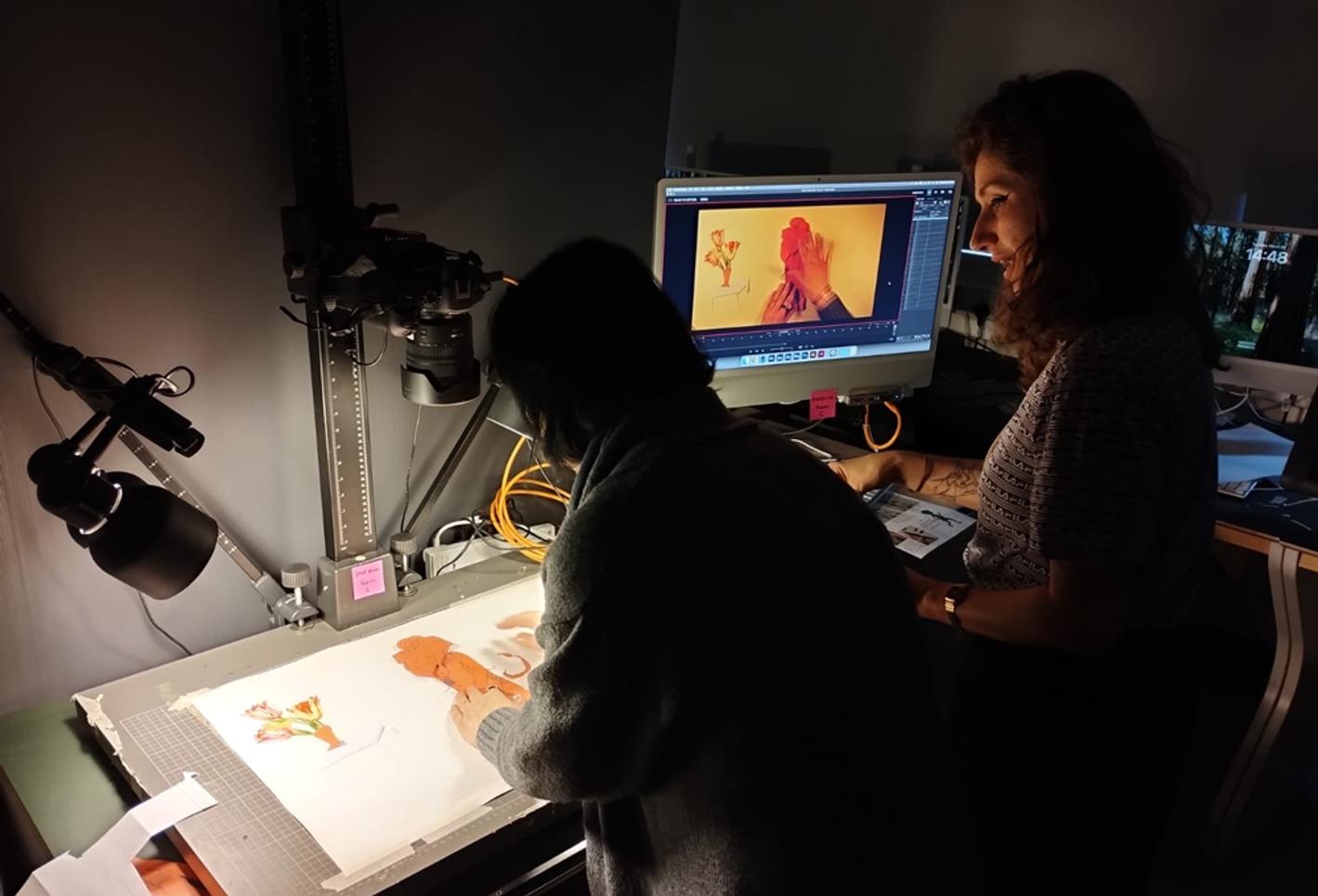
Article Written By
Sam Summers, Lecturer in in Animation Contextual Studies, Middlesex UniversityWhat does studying animation look like beyond the classroom? For BA Animation students at Middlesex University, it means working with industry professionals, responding to real client briefs and creating films for real audiences.
As part of Barnet Council’s Light and Flight Festival, students produced three animated films celebrating pioneering figures who helped shape the borough’s history. Exploring themes of aviation and migration, the project brought local stories to life while giving students valuable industry experience.
Gaining industry experience through real briefs
The project brought students together with Barnet Council and Woven Ink, an independent, two-woman London animation studio known for its short animated documentaries and collaborative approach to storytelling.
Woven Ink visited Middlesex to deliver guest talks and workshops, sharing insights into its creative process, animation careers and experience of establishing an independent studio. Throughout production, students received feedback from both the studio and council representatives.
Working to a real client brief required students to pitch ideas, respond to feedback and meet deadlines. By taking on different production roles and combining their skills, they gained valuable insight into the realities of working in the animation industry.
Three films, three creative approaches
One of the standout moments for me was seeing the films take shape at the halfway point, when we brought Barnet Council and Woven Ink together to view the students’ work in progress. I was blown away by how creatively and differently each group had responded to the same brief.
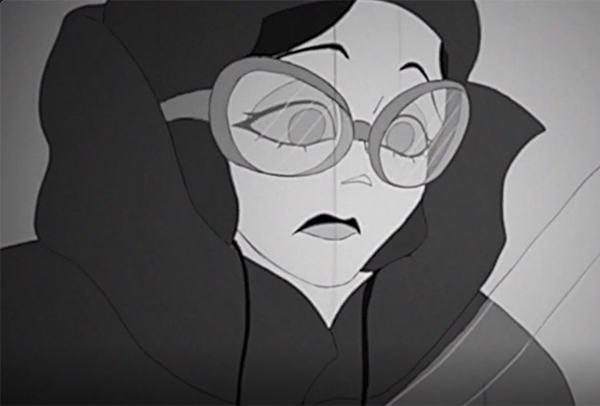
The first film tells the story of Amy Johnson, a pioneering female aviator. The students drew inspiration from the era in which her story is set, creating an animation reminiscent of classic black-and-white Mickey Mouse and Betty Boop cartoons.
The second film explores the life of Eileen Colwell, a librarian who opened Britain's first children's library. The students combined 3D animation for the backgrounds and adult characters with 2D animation for the children, creating a striking visual contrast that works beautifully with the themes of the story.
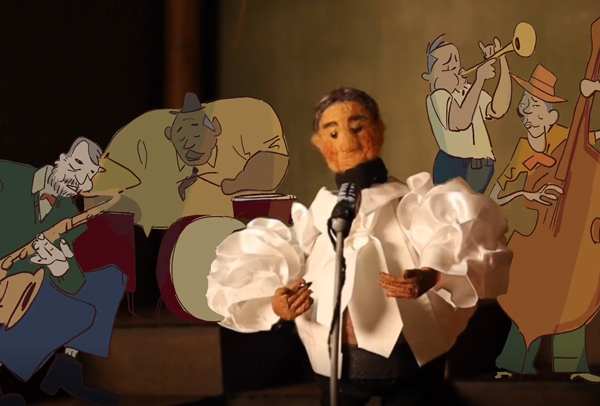
The third film celebrates Edmundo Ros, a pioneering Latin jazz artist. The group chose to combine stop-motion and 2D animation, building an elaborate scale model of his jazz bar, complete with a puppet of Ros himself.
What stood out to me was how thoughtfully each group matched its animation style to the story it wanted to tell. Seeing three such distinctive films emerge from the same brief was a really proud moment for me as course leader.
Learning to think like an animator
What made the project particularly valuable was how it built on the skills students develop throughout the course.
In their first year, students learn animation techniques alongside scripting, storyboarding, animatics and research. They apply these skills to produce a short film independently, building the foundations they need to tackle more complex projects.
By their second year, they can put that knowledge into practice in a collaborative, industrystyle environment. They must not only develop their own ideas but also adapt to a client's brief, work with other people's designs and maintain a consistent visual style across a production.
I believe developing your own creative voice is essential, but so is learning when to adapt it. In the animation industry, you might be bringing someone else's characters to life, following a director's vision or working in a style that differs from your own. This flexibility is particularly valuable in areas such as advertising and animated documentary, where animation can inform and educate as well as entertain.
Creating work that goes beyond graduation
These experiences also help students build something tangible to take into their future careers: a portfolio of work that demonstrates what they can do.
Throughout the course, students have opportunities to create advertisements for independent companies, films for festivals and installations for museums. One example is an installation created by our students for the RAF Museum, which is still on display today.
Projects like these give graduates real work to showcase in their portfolios, discuss on their CVs and present at job interviews. They can demonstrate not only their creative abilities but also their experience of collaborating, responding to feedback and producing work for real audiences.
For me, that's an important part of studying animation: developing your own artistic identity while learning how to turn ideas into work that has a life beyond university.
If you're considering studying animation, explore the BA Animation course at Middlesex University and discover how you could develop your creative skills, collaborate with industry professionals and bring your own ideas to life.